
DudoxxDudoxx
Complete musculoskeletal care from diagnosis through surgery to rehabilitation

Orthopaedics

Medical imaging workflows, surgical planning tools, and comprehensive rehabilitation tracking for orthopaedic specialists

Orthopaedics — Complete musculoskeletal care from diagnosis through surgery to rehabilitation

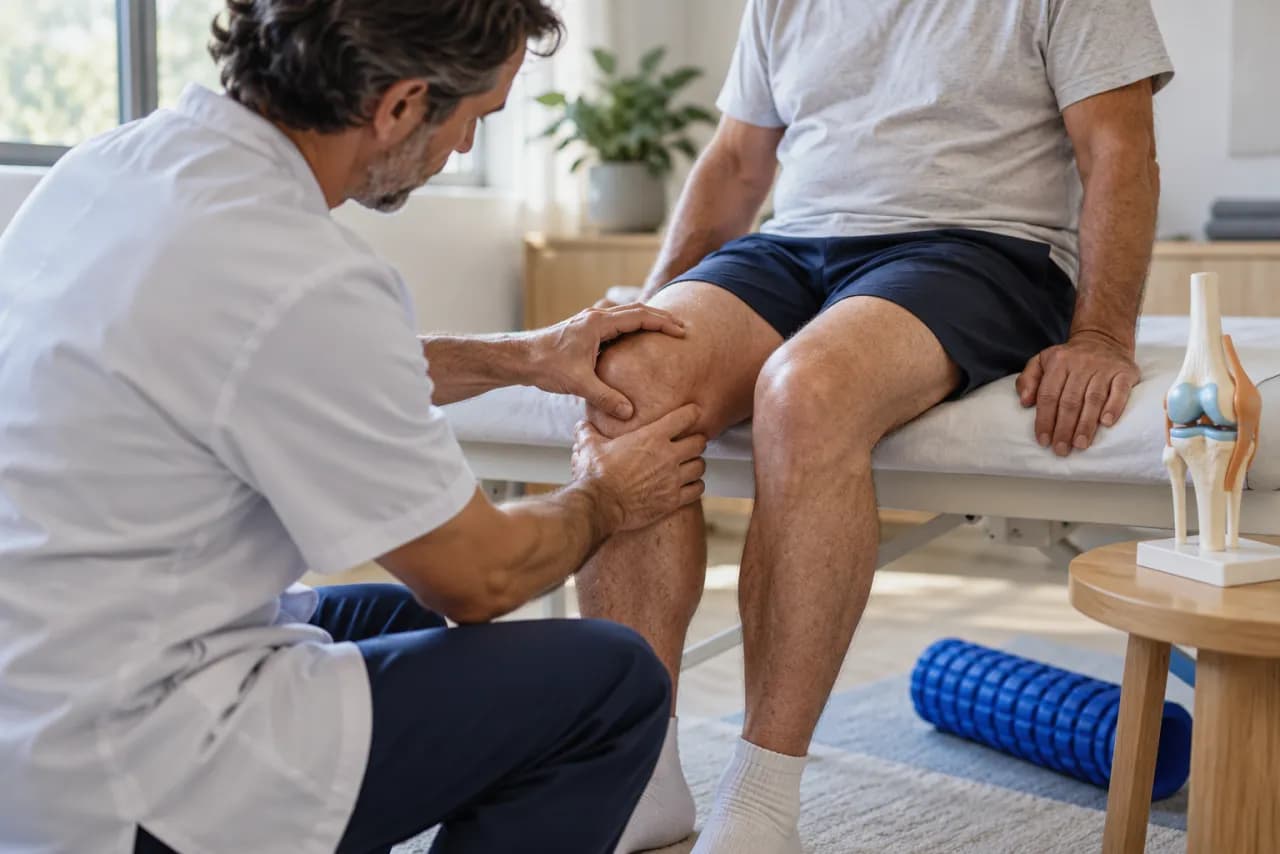
09:20 — a knee MRI and a limping athlete land in the same slot.

A sports-medicine patient arrives for a pre-operative review with fresh imaging. TUCAN reads the DICOM series, surfaces the relevant findings alongside the surgical plan, and drafts the operative-planning note the surgeon confirms in seconds — so the joint-replacement pathway, implant selection, and follow-up schedule are set, documented, and coded before the consult ends.

What your practice gains

Findings surfaced sooner

Imaging findings are ranked and surfaced before the surgeon opens the chart.

Recovery kept in view

Rehabilitation progress is read across visits and flagged when it stalls.

Notes that keep pace

Visit documentation is drafted from the encounter and imaging instead of typed afterward.

Coding without the afterthought

The matching GOÄ/EBM code is proposed with each note, so nothing billable slips away.

Follow-up that carries itself

Rehabilitation reviews are scheduled with prior imaging and plans carried forward automatically.

Clinical Use Cases

Joint Replacement Pathway

End-to-end workflow from pre-operative assessment through surgery to post-operative rehabilitation milestones.

Sports Medicine

Injury assessment, treatment planning, and return-to-play protocols for athletic patients and teams.

Fracture Management

Fracture classification, casting documentation, and healing progression tracking with imaging comparisons.

What changes for your practice

Imaging & planning intelligence

AI reads musculoskeletal imaging as it arrives and hands the surgeon structured findings tied to the operative plan.

  • DICOM findings surfaced against the surgical plan and prior studies
  • Templated surgical planning with implant sizing and positioning
  • Range-of-motion and outcome measures tracked across the pathway

Documentation that writes itself

Operative reports, consult notes, and coding are drafted from the encounter instead of typed after it.

  • Structured operative and consult notes generated from the visit
  • Implant registry data captured against the record automatically
  • One-click correction rather than blank-page dictation

Continuity of care

Rehabilitation tracking, recalls, and remote checks keep post-surgical and injury patients on track without manual chasing.

  • Automated rehab milestone scheduling and progress reminders
  • Side-by-side outcome-measure trends across the recovery pathway
  • Remote follow-up consults with the full injury and imaging history in view

The connected pipeline

  1. Imaging intake

    X-ray, MRI, and CT studies flow into the record and are matched to the patient's injury history.

  2. AI findings

    TUCAN analyses the DICOM series, surfaces relevant findings, and links them to the surgical planning template.

  3. Surgeon review

    The surgeon confirms or adjusts the findings, selects the implant, and records the operative plan in the chart.

  4. Structured note + coding

    A structured operative or consult note is generated and the matching GOÄ/EBM billing code is attached automatically.

  5. Rehabilitation follow-up

    Rehab milestones, outcome measures, and recalls are scheduled with the injury and imaging history carried forward.

How the data moves

  1. Imaging intake

    Radiographs and history are captured through structured, device-linked forms.

  2. TUCAN findings

    Imaging is read into structured findings with change and planning signals.

  3. FHIR record

    Imaging, findings, and plans are written to the patient's structured clinical record.

  4. Structured note + coding

    A visit note is drafted from the reviewed encounter for the surgeon to confirm.

  5. Rehabilitation schedule

    Recovery reviews are scheduled with prior imaging and plans carried forward.

Where the AI works

Each agent owns a distinct part of the orthopaedic workflow, so the clinician stays in control of every decision. TUCAN is the orchestrator that plans and runs workflows, Condor is the longitudinal clinical memory that supports documentation and diagnosis, and FlowAgent guides multi-step workflows.

TUCAN

Reads radiographs into structured findings and flags changes since prior imaging before the surgeon opens the chart.

Condor

Drafts the structured visit note and surgical plan from the reviewed encounter for one-click correction.

FlowAgent

Guides imaging intake and rehabilitation steps, keeping recovery reviews on track.

How Dudoxx delivers it

Integrations

DICOM Imaging

DICOM viewing and storage for radiology images, linked to the patient record and reports.

Physiotherapy

Shared care plans between orthopaedic surgeons and physiotherapists with progress visibility and exercise tracking.

Implant Suppliers

Electronic ordering and tracking for orthopaedic implants with inventory management and cost tracking.

See Dudoxx in Your Clinical Workflow

Book a focused walkthrough for your specialty and practice size. We will map Dudoxx capabilities to your existing workflow and deployment requirements.