


Psychiatry
Psychiatry, with the long history close at hand.
Your specialty, your workflow.
Psychiatric care rests on long histories, questionnaires and careful letters. Dudoxx assistants gather and read them from one patient record, so the psychiatrist can give the session to the person, not to the file.
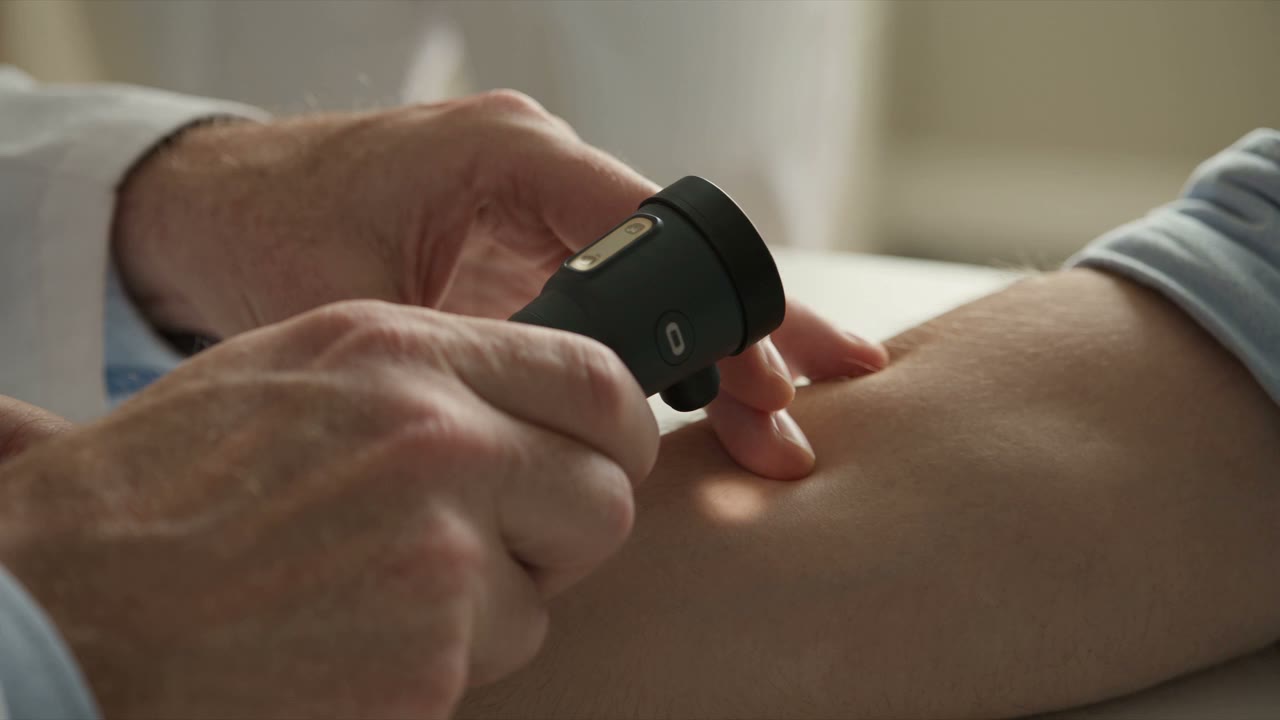
A psychiatry day
Four moments where the record answers first.
- Before opening
Questionnaires answered at home
Patients booked for the day have answered the practice's own questionnaires through a secure guest link, with no app to install. The practice built them in the visual builder. Reception sees whose answers are in, beside the day's schedule, and the answers are filed to the patient record for the psychiatrist.
- Mid-morning
Which medication, and why
Before a session, the psychiatrist asks Condor which medications were tried and why each one ended. Condor gathers the filed discharge letters and the earlier notes and shows its steps as it works. The psychiatrist checks the summary against its sources and starts the session with the history in mind.
- Early afternoon
A session by video
Some follow-up sessions run by video, inside the platform, with a virtual waiting room before the call. The psychiatrist takes notes during the call; live transcription runs alongside the notes. The call notes are saved to the visit, and tools are scoped to each user's role, so each desk sees only what its job needs.
- Late afternoon
Letters drafted for review
Letters to the family doctor are drafted from visit data. The psychiatrist reviews each draft, chooses the wording with care and signs it off; output goes out as PDF or HTML. ICD-10 coding support suggests codes, and the choice stays with the clinician. The signed letter is filed to the record, so the next session can start from it.
How the psychiatry desk works here
Platform capabilities, arranged around a psychiatry day.
What the assistants do here
Modules
- Your own questionnairesBuild the questionnaires your practice uses in the visual builder.
- A long history, in one recordScanned letters and reports are read and filed to the patient record.
- Sessions by videoVideo visits run inside the platform, with a virtual waiting room.
- Each clinic's data, isolatedEach clinic's data is isolated and encrypted in transit and at rest.
Other specialties
- GynaecologyCare across a pregnancy or a long treatment is followed in one record, not in separate notes.
- GastroenterologyProcedure letters start as drafts from the visit data and wait for your review.
- NeurologyLong histories get easier to read when the assistants pull out what changed since the last visit.
- EndocrinologyThyroid and diabetes check-ins arrive as forms on the record instead of depending on memory.
- PulmonologyLung function letters and follow-up forms sit on one record, so a check-up starts with what changed.
- NephrologyLab orders and results for kidney patients are read from the record rather than chased by phone.
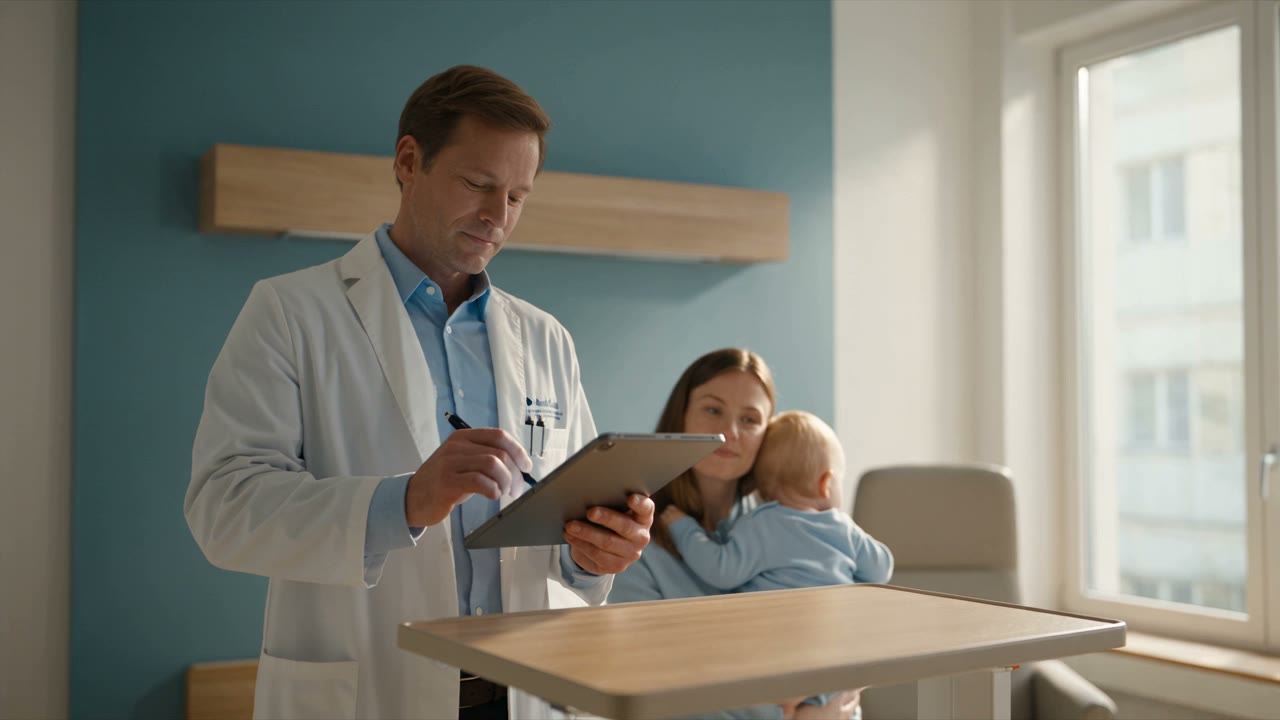
See a psychiatry day in Dudoxx
Book a demo and walk a follow-up session through the record with us.